- Vancity Lookout
- Posts
- Crow man
Crow man

Geoff Sharpe
January 26, 2026
Good morning!
When I lived in Chinatown, I’d witness in the evenings the phenomenon many of us have seen, where wave upon wave of crows fly over to Burnaby. It’s a phenomenon that made me really interested in crows. I’m not saying I’m obsessed, but I always marvel at just how intelligent they are.
As you’ll discover in today’s story, crows are indeed popular — Julie Chadwick profiles a man who has dedicated his life to the pursuit of these marvellous creatures.
Let’s dive in.
— Geoff Sharpe, Lookout founder and managing editor
PS - If you find this newsletter valuable, please consider forwarding it to your friends. New to the Lookout? Sign-up for free.
WEATHER
Monday: 7 🌡️ 2 | ☁️
Tuesday: 10 🌡️ 4 | ☁️
Wednesday: 6 🌡️ 4 | 🌧️
PROFILE
How crows became a calling for one Vancouver man
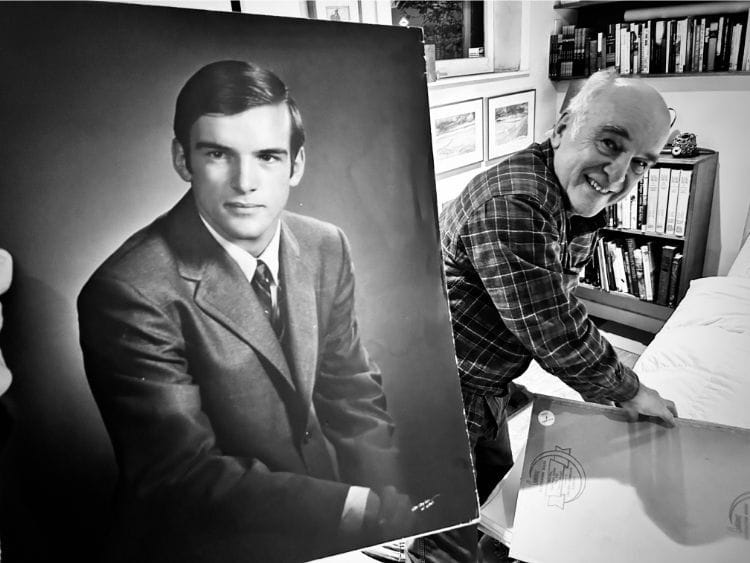
Robert Butler. Photo by Mike McKinlay
By Julie Chadwick
Vancouver-area bird scientist Dr. Robert Butler’s fascination with crows started when he was about fifteen years old when he rescued a crow with a deformed foot. By that point he was already interested in the natural world and in observing birds, and he soon decided he wanted to make it his life.
However, when Butler decided to do his master’s research on crows, he recalled how another graduate student was surprised and asked why he didn’t want to study puffins or something more interesting.
“Back in the ’70s and at that time, you know, the people were starting to look at some of the other species around British Columbia, particularly the sea birds, which were of great interest to a lot of people,” says Butler.
At that time, though some rudimentary research had been conducted on Northwestern crows on where they nested, Butler says not much was known about more detailed habits like their breeding biology or behaviour — and there wasn’t much interest. But the personal experience with his pet crow had shown him how clever and intelligent they could be.
“There was all this mythology about them, I thought, this doesn't really add up. Even some of the scientists were saying the same things, you know, these were evil, nasty crows. They had all kinds of derogatory things to say about them,” he said.
So he decided to find out more.
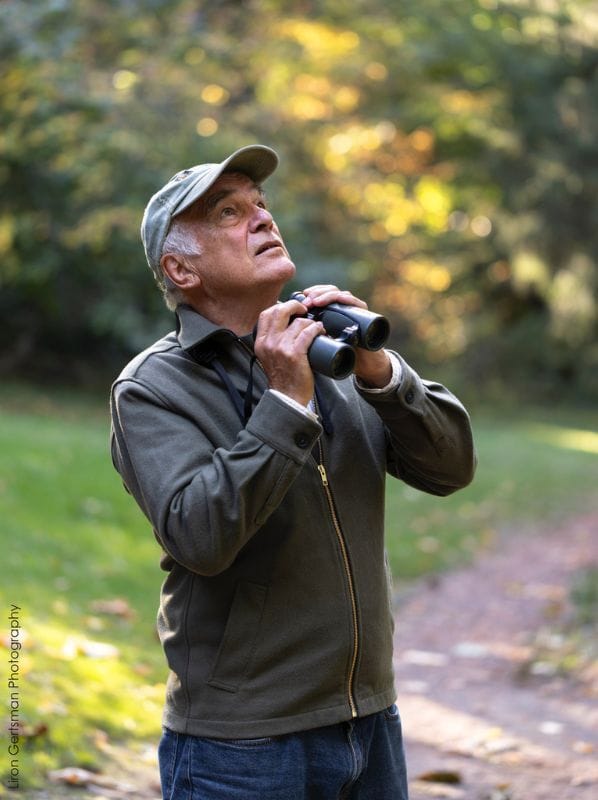
Photo by Liron Gertsman
What it added up to was a “lifetime of corvid obsession,” as a new documentary by Vancouver filmmaker Mike McKinlay describes it. Society of Crows: The Art and Practice of Dr. Rob Butler, released on Knowledge Network this winter, zeroes in not only on Butler’s fascination with crows but on his life as an award-winning researcher, author and artist.
Shot in black and white at a dreamy slow pace, the film has no narration and is instead framed by MacKinlay’s careful cinematography, told through interview clips featuring Butler’s own warm, gentle words.
“Rob was a feeling. He wasn't necessarily like, this exact certain written story that I needed to capture, he was just a feeling. And I wanted to go into that feeling, into that world of his and see what I came up with,” says McKinlay, who met Butler years ago when he was a young professional skateboarder working on a documentary about crows.
“I was working with this woman, Robyn Worchester who's one of the ecologists for Stanley Park..I was just getting to know people in Vancouver, and the people that were doing wild stuff, and she was like, ‘Oh, you got to talk to Rob Butler. He is the crow guy.’” The two soon became close friends and worked with the Pacific WildLife Foundation together, which Butler co-founded in 2003.
The film, which recently won an Outstanding Excellence Award at the Nature Without Borders Film Festival, explores Butler’s early crow research conducted on Mitlenatch Island, a small rocky island in the Strait of Georgia off the coast of Vancouver Island near Black Creek. A nature reserve only accessible by boat, it’s a nesting colony for thousands of seabirds and other wildlife including Glaucous-winged Gulls, Pelagic Cormorants, Black Oystercatchers, river otters and harbour seals.
The scenes from this time illustrate an idyllic, woolly, bygone era of coastal scientific research in the 1970s. Hired by BC Parks as park naturalists, Butler spent three years holed up in a cedar-shingled shack as a young newlywed with his wife Sharon, a renowned weaver, and let himself be pulled into a meditative daily routine of crow observation.
“I was spending long, long hours under these watching posts, and I could watch several nests at a time. So I was looking to see where the crows were going. Where were they getting their food, looking at these interactions,” he says.
“You get into the mind of the crow. And we found that we got into that whole rhythm of the island. The time of the day didn't really matter as much as the position of the tide or what was happening on the island … You're not going home and watching television. You're out there all the time, watching all this, while you're having meals, you're outside, and you're hearing all the things around, the crows are around, everything is around you and you're totally immersed in it.”
Some key findings from Butler’s research, which he published with ornithologist Nicolaas Verbeek, include that crows often have “helpers,” a third bird that is not a parent but which hangs around the nest and participates in defending it, helps to feed the nestlings and fledglings and is fed in turn by the adult male crow in a cooperative arrangement that aids in the survival of baby crows.
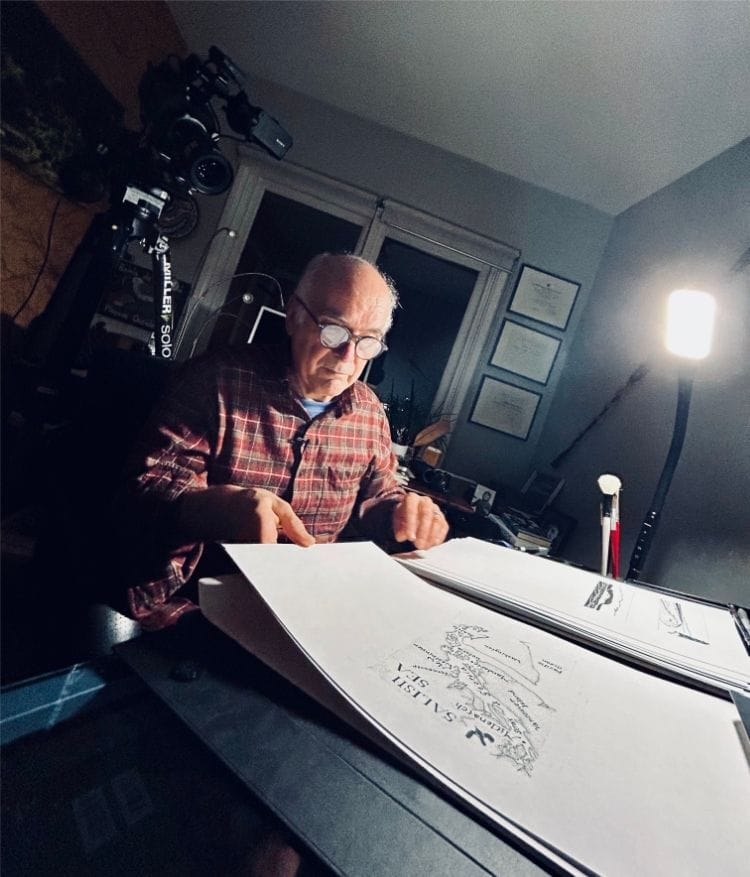
Robert Butler with his artwork.Photo by Mike McKinlay
He also researched the complex way in which crows learned how to select and crack clams according to their specific sizes and the height with which they needed to be dropped in order to break effectively — too high and it could be stolen by another crow near the ground before the first one can swoop down to get it — too low, and it wouldn’t open.
“They're very good at optimizing the right size clam to get the most meat for the least effort. And they’re very, very good. It takes a few years for them to specialize on this and do it,” says Butler.
Another new discovery about crow behaviour, published last year, was prompted by a particularly vicious crow fight that Robert and Sharon witnessed in a park after they finished an outdoor exercise class.
“One of the crows had got its combatant onto its back and was beating the living daylights out of it, and half a dozen or more other crows assembled, and they were all shrieking and calling and egging it on as if it was like a school yard,” Butler says. “But the really surprising thing is that several of them got down on the ground and went over, and they didn't try to stop the one on the top, but joined in and started pulling at the wings and the tail of the poor guy on the bottom.”
After speaking with a primatologist friend who noted that primates do the same thing, Butler realized they were engaging in something known as “coalitional fighting,” in which crows — particularly low-ranking ones — will work together to depose a dominant one and bring it down.
All of these stories, along with his adventures on Mitlenatch Island, have been documented in Butler’s new book Society of Crows, which will be released in February and is illustrated by his own pen and ink drawings.
Described as “an avian melodrama and a scientific detective story,” the book also sheds light on an enduring Vancouver-area phenomenon in which an estimated 15,000 crows flock to Still Creek in Burnaby every night at dusk to roost.
Robert and Sharon first started studying this behaviour in the 1970s, racing around after the birds in their car, trying to figure out where they were coming from and where they were going. And it turns out the crows originally used to roost on Bowyer Island in Howe Sound.
“Something happened on the island. It might have been a great horned owl out there, not sure. But anyway, they gave up, and we discovered very soon after that, instead of flying west, they were flying towards Burnaby,” says Butler. “So we did the same thing, followed them, and located them in 1972 or ’73. We've got it down to the actual date. There was a couple thousand of them just beside BCIT in a wood lot, and they stayed there for a while, and then they moved down to their present location.”
McKinlay said it’s this kind of groundbreaking research that inspired him to document Butler’s life and work in the film, which he also hopes will be used to help promote his book.
“I just knew there was a very lovely, sweet little love story there, not just with him and his wife, but just with these crows. And I was like, ‘I gotta capture it,’” says McKinlay, who adds that Butler’s contribution to the world of corvid research is hard to overstate. “We’ll be out shooting, and David Suzuki will call him to fact-check something. I mean, Rob is the guy. He came up with all the original ideas and theories around crows.”
Society of Crows: The Art and Practice of Dr. Rob Butler can be watched for free on the Knowledge Network website. For more information about the book Society of Crows visit their website.
Comment Corner
Have some thoughts on this story? Want to share some insight with the Lookout community? Share your opinion in our Comment Corner and it could be featured in future newsletters.
VANCOUVER INTERNATIONAL WINE FESTIVAL
The wine world awaits
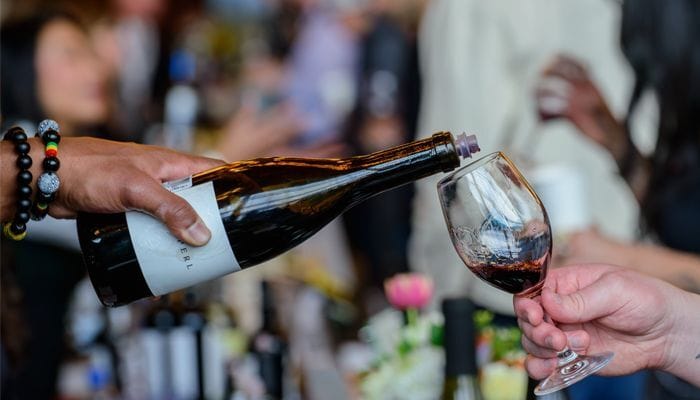
The Vancouver International Wine Festival offers a full week of opportunities to discover, learn and enjoy — no matter your wine knowledge level. Browse the Festival at a Glance to explore all events, including engaging seminars, wine parties, weekend lunches and International Festival Tastings.
Turn your tasting into a weekend getaway in downtown Vancouver. Receive a free ticket to the Tasting Room when you book a room at one of 43 downtown properties with StayVancouverHotels.com. Book two or more nights to receive a pair of tickets!
Some festival events are already sold out—don’t wait. Plan your festival experience now.
THE VANCOUVER NUMBER
20,000
The number of people expected to attend 52nd Annual Lunar New Year in Chinatown on Feb. 22. [Vancouver is Awesome]
THE AGENDA
❌ Anyone walking around the Stanley Park seawall should be aware that the area from Ferguson Point to Prospect Point will be closed for repairs until Jan. 30.
🧒 City council took another step closer to allowing more daycares in residential areas, making it easier for them to open in detached and semi-detached homes. Currently home that allows more than nine children for daycare cannot also serve as a residence. Read more. [Vancouver Sun]
🅿️ Hillcrest, Kerrisdale and Trout Lake community centres will be implementing a paid parking pilot to respond to high demand. The first three hours will be free, then every hour after will be $3.50
🚧 The general manager of planning, urban design and sustainability at the City of Vancouver has said that the city is discussing potential federal funding options to help with the removal of the Georgia and Dunsmuir viaducts, to open up major development in the area. Read more. [Urbanized]
❌ Anyone planning to drive on Broadway should take note that a stretch from Main and Quebec will be closed to all vehicles for a four-month period as part of Broadway Subway construction, from 7 a.m. to 7 p.m. Read more. [CityNews]
🏒 The Canucks woes continue with a 2-3 loss yesterday against the Pittsburgh Penguins. The Canucks are now a ghastly 1-11-2 in their last 14 games. The Goldeneyes, on the other hand, won 3-1 against the Seattle Torrent, pushing them into 5th spot in the league.
EVENT GUIDE
Taste Around Abby | Various restaurants | Now until Feb. 4 | 15-day festival out in Abbotsford, similar to Dine Out Vancouver (which is also happening now)
Lord of the Rings Extended Trilogy Marathon | Rio Theatre | Jan. 31. 11 a.m. | Yes, exactly as it sounds. It might start in the late morning, but be prepared for it to go late | Tickets $33
Legends of Georgia | Centennial Theatre | Jan. 30, 7 p.m. | Ancient stories and timeless beauty of Georgian music and dance | Tickets $30+
Fireside Chat with National Team Coach Jesse Marsch | SFU Goldcorp Centre for the Arts | Jan. 31, 2:15 p.m. | Exclusive discussion with Canadian men’s soccer head coach | Tickets $42
International Guitar Night 2026 | Massey Theatre, New Westminster | Feb. 1, 7:30 p.m. | Featuring award-winning guitarists, singing and flamenco dancing | Tickets $32+
Pay What You Want Sunday | H.R. MacMillan Space Centre, Vancouver Maritime Museum, and the Museum of Vancouver | All day this Sunday | Come visit these museums above for free!
PuSh International Performing Arts Festival | Various locations | Until Feb. 8 | Performance lineup with a variety of shows | Various prices
BIG BANG Festival | The Roundhouse | Feb. 15, 12 p.m. | Music, food trucks and more, a festival for younger audiences | Free entry, some special events $5
Family Fun Day at Coal Harbour Community Centre | Feb. 16 | Games, crafts, bouncy castle, baby playtime and more for families all day
Submit your event and it could appear here and reach 30,000+ Vancouver locals.
DEVELOPMENT
The city's plan to transform industrial land to housing may be harder than it looks

A map of Vancouver's industrial areas, in blue, and general areas that city council wants to see opened up for housing and other uses, in red / City of Vancouver
A comprehensive planning process will take at least a year to potentially radically transform the city, and Metro Vancouver would need to approve the changes. But there's another option if city council wants to move more quickly and independently on certain sites.
Discover your new dream job in Vancouver:
Director, destination development at Destination Vancouver
Director, corporate development and partnerships at BC Hydro
Marketing officer at Emily Carr University of Art and Design
Audience development coordinator at TED Conferences
Business development manager, BC at Safesidewalks Canada
COMMUNITY HIGHLIGHTS
Here’s a handy map of Dine Out Vancouver 2026 locations. [Vancouver is Awesome]
Speaking of Dine Out Vancouver, here are some of the Lookout’s recommendations.
The Museum of Personal Failures, despite the title, sounds like an exhibit worth checking out. [CBC]
This is a truly special photo of the recent northern lights over Vancouver. [Vancouver is Awesome]
Want to have your announcement featured? Learn how here.
VANCOUVER NEWS QUIZ
Where do crows fly to each night? |
PHOTO OF THE DAY
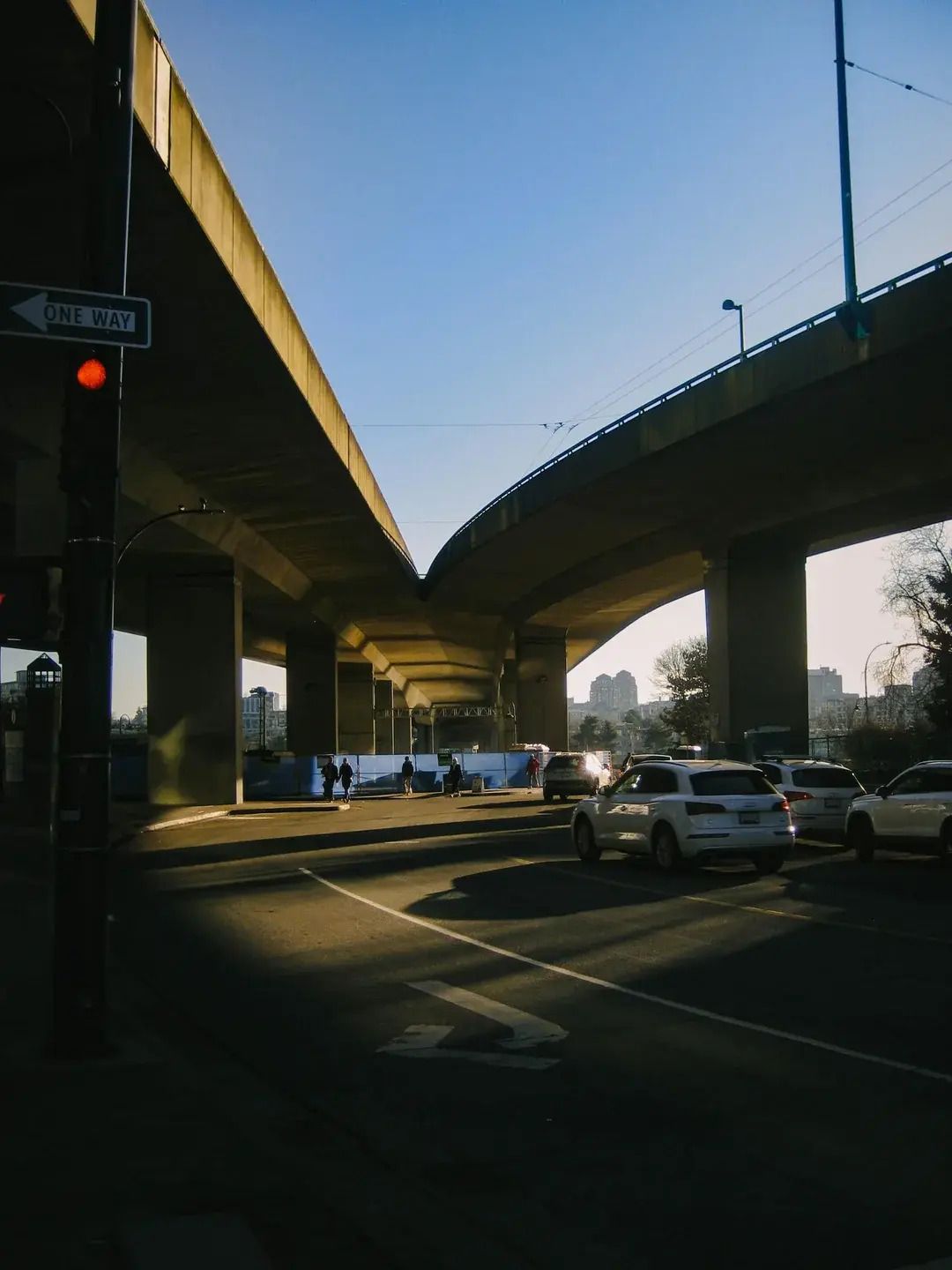
Cold days can bring out some real photo magic!
What did you think of today's newsletter? |
STORIES THIS WEEK
Eastside Arts Society wins big with new city grant, while another grant sits dormant in the city’s budget
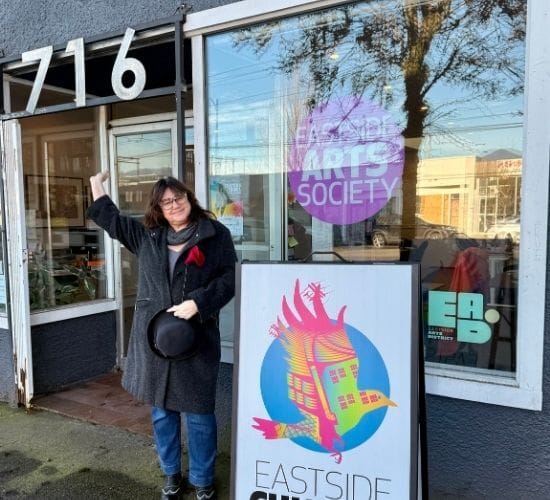
The Eastside Arts Society received a $2.65 million grant from the city to purchase a home base, but the unpredictable funding model has proven less successful in another case.
The city's plan to transform industrial land to housing may be harder than it looks
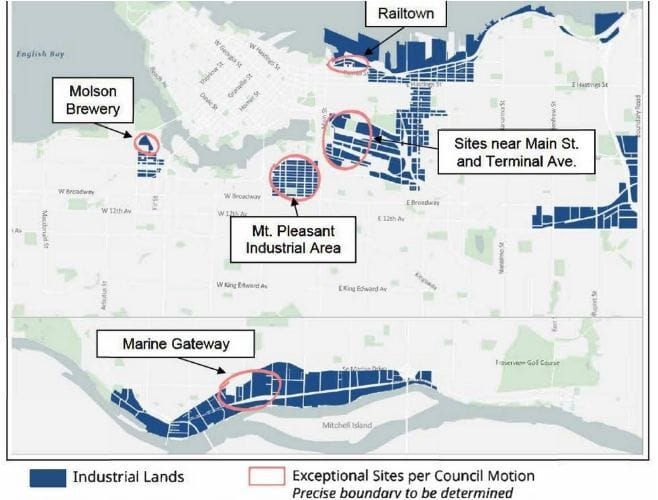
A comprehensive planning process will take at least a year, and Metro Vancouver would need to approve the changes. But there's another option if city council wants to move more quickly and independently on certain sites.
Vancouver winter is no reason to stop hiking
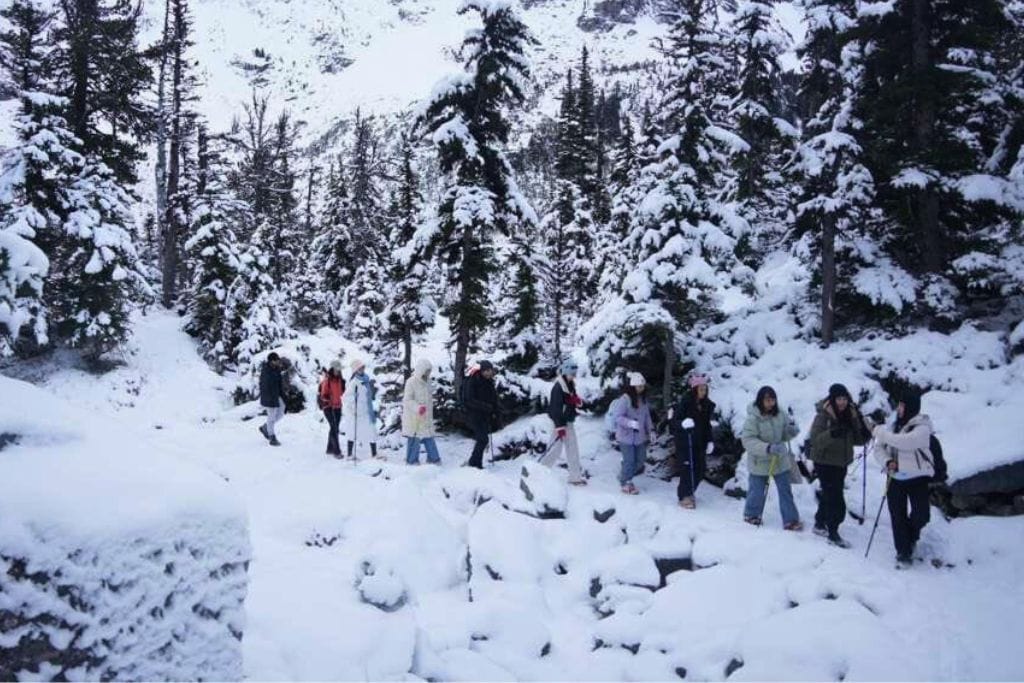
Hiking is one of the big reasons to live in Vancouver. For Abdul Haseeb, it's a way to give back, even in the heart of winter
City has lessons to learn after heavy-handed inspections
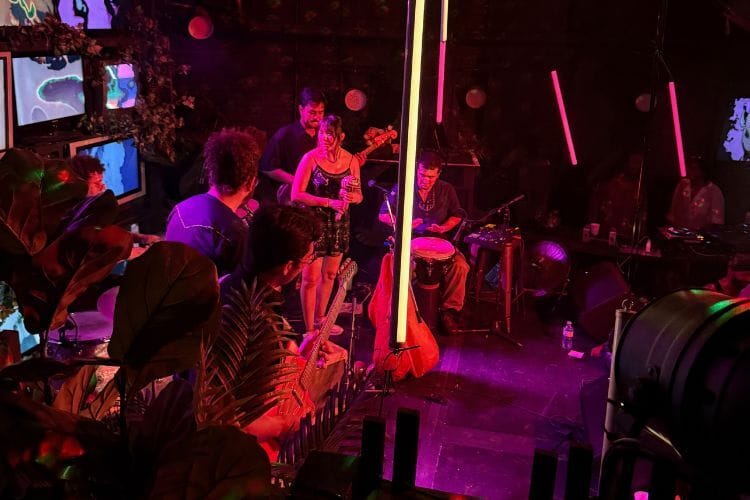
Over a dozen members of the underground music and dance community met with city officials this week, who say there are lessons to learn from recent inspections.
Your guide to Dine Out Vancouver 2026

The Lookout shares our recommendations of where to visit during the popular restaurant event
Thai Ni Yom is Thai food done right

Maybe less known than other places in town, Thai Ni Yom is worthy of more attention